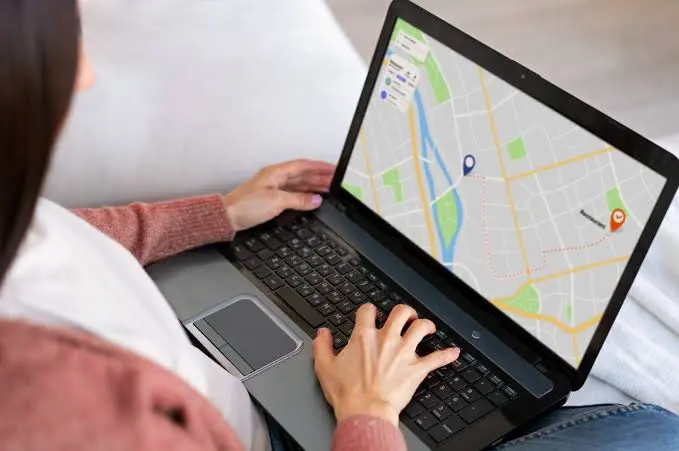
Ask any dispatcher what their day looks like without visibility into where workers actually are, and you'll hear some version of the same story: phone calls to check status, guessing at ETAs, and reshuffling the day's schedule based on outdated information. Live GPS tracking exists to remove that guesswork.
What "live" actually means
FieldOps updates worker locations continuously while they're on the clock — not a manual check-in, not a refresh button. The moment a worker starts their shift and location sharing is active, their position streams to the dispatcher's live map automatically. If a job runs long or traffic changes an ETA, that shows up on the map before anyone has to ask.
What dispatchers see
The live map isn't just a set of moving dots. Each worker's pin shows:
- Current status (en route, on-site, available)
- Which task they're assigned to right now
- How long they've been at their current location
- Distance and estimated time to their next assignment
This turns dispatching from a reactive process into a proactive one. Instead of waiting for a worker to call in when something goes wrong, a dispatcher can see a cluster of workers stuck in the same area and reroute a nearby job before it becomes a missed SLA.
Why this matters for SLAs
Every field service business has commitments to customers, whether that's a two-hour arrival window or a same-day resolution. Live tracking gives dispatchers the lead time to act before those windows are at risk — reassigning a task to the nearest available worker instead of the one who happens to be free next.
What it means for the field
For workers, location sharing runs quietly in the background of the mobile app. There's no extra step, no manual "checking in" — it just works while they're clocked in, and stops the moment they clock out. Workers see their own assigned tasks and route the same way; the dispatcher's map is simply the same data, viewed from the other side.
Privacy, by design
Location sharing is tied directly to clock-in status. Workers aren't tracked outside of their shift, and the system is built around that boundary from the start — visibility exists to help coordinate work, not to monitor people around the clock.
The bigger picture
Live tracking is one piece of a larger idea behind FieldOps: give the office and the field the same real-time picture of what's happening, so nobody's coordinating blind. Paired with task assignment and SLA alerts, it's what turns a spreadsheet-and-phone-calls operation into something that runs itself.